Cooking fixes
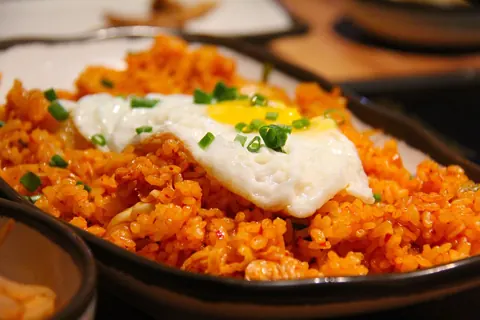
How to fix watery kimchi fried rice
Cook off excess liquid before adding more seasoning. Adding more soy sauce usually adds more moisture too.
WHATTOCOOK · KITCHEN ANSWERS
Fix common cooking problems, use your Korean seasonings and plan what to serve alongside your favorite dishes.
Cooking fixes
Cook off excess liquid before adding more seasoning. Adding more soy sauce usually adds more moisture too.
Cooking fixes
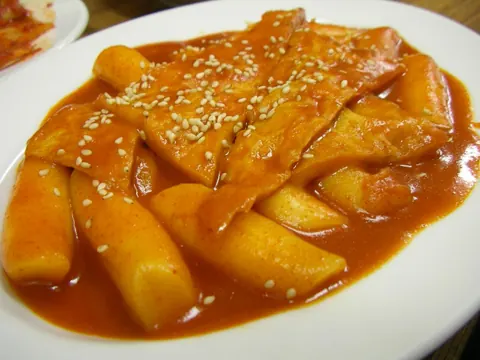
Reduce the proportion of spicy sauce by adding an unseasoned component. Sugar changes sweetness but does not remove the chili.
Cooking fixes
Check the rice cakes before reducing the sauce: a long simmer can soften them more than you want.
Cooking fixes
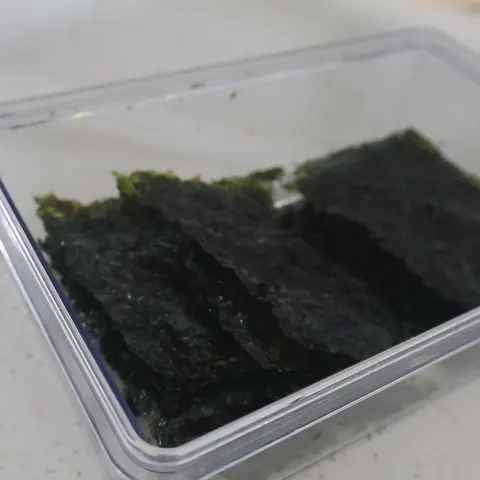
A thick rice layer and too much filling make a roll difficult to close. Start smaller rather than squeezing harder.
Cooking fixes
Use a sharp, clean blade and light pressure. Pressing down with a sticky knife can drag the filling out.
Cooking fixes
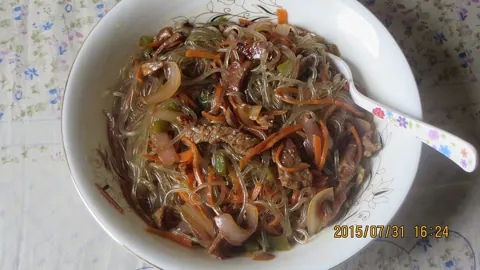
Loosen the noodles gently and distribute the dressing. Pulling a cold knot apart forcefully can break the noodles.
Cooking fixes
Add an unsalted portion of noodles or vegetables. More sugar can hide some saltiness without reducing the salt already in the dish.
Cooking fixes
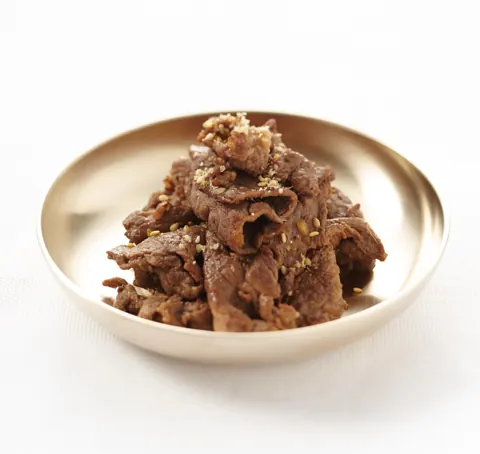
An overloaded pan and extra marinade can make the meat simmer in liquid. A larger cooking surface helps you control moisture.
Cooking fixes
Sweet marinades can darken quickly in a very hot pan. Adjust the heat rather than adding more sugar or sauce.
Cooking fixes
A thick pancake traps moisture. Make a thinner layer and let the underside set before trying to flip it.
Cooking fixes
Make a smaller pancake and wait for the base to hold together. More batter is not always the answer.
Cooking fixes
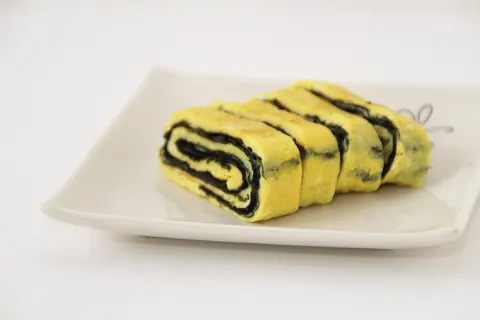
Thick layers and oversized vegetable pieces make rolling harder. Build several thin layers instead of one heavy sheet.
Cooking fixes
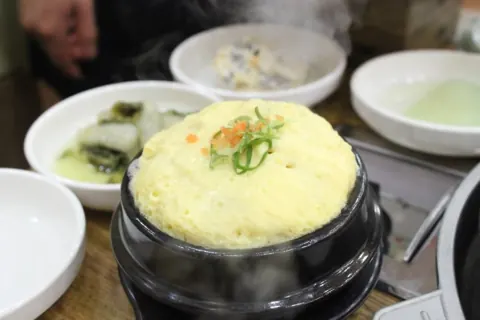
For a gentler texture, use gentler heat and keep the egg-to-liquid balance from the recipe.
Cooking fixes
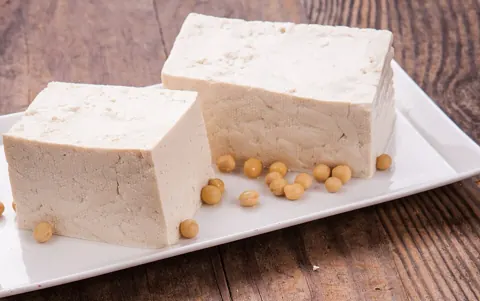
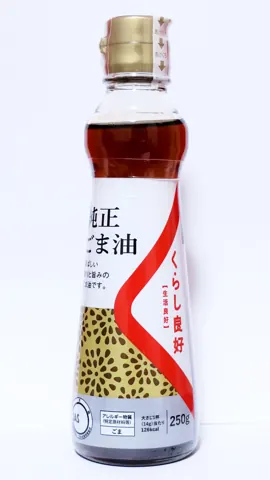
Use tofu that can hold a slice and move it gently. Soft tofu behaves differently from a firm block.
Cooking fixes
Prepare moist vegetables separately and drain them before assembling the bowl. Do not pour every cooking liquid over the rice.
Seasoning ideas
Use the paste as part of a sauce, not as a one-for-one replacement for every chili product.
Seasoning ideas
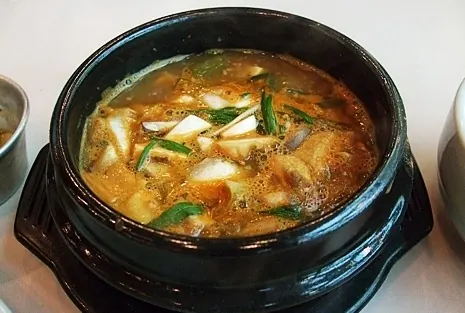
Start with the amount in the recipe: soybean paste already contributes salt and a strong fermented flavor.
Seasoning ideas
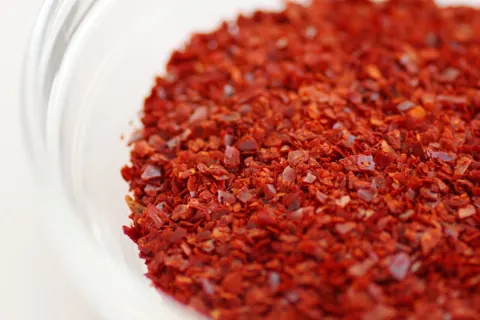
Use Korean chili flakes to season a dressing or sauce; adjust the amount rather than assuming every brand has the same heat.
Seasoning ideas
Use the linked recipes to learn the aroma of toasted sesame oil in vegetables, noodles and rice.
Seasoning ideas
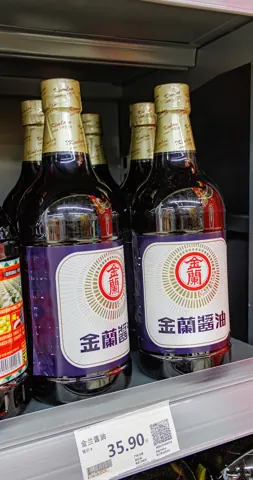
Soy sauce is part of a complete seasoning mixture. Its salt level varies, so do not use color alone to decide the amount.
Seasoning ideas
Check the bottle and recipe before pouring: Korean soup soy sauce is not simply a sweeter dipping sauce.
Seasoning ideas
Match the kimchi moisture and acidity to the dish, and use the recipe quantity before adding extra liquid.
Seasoning ideas
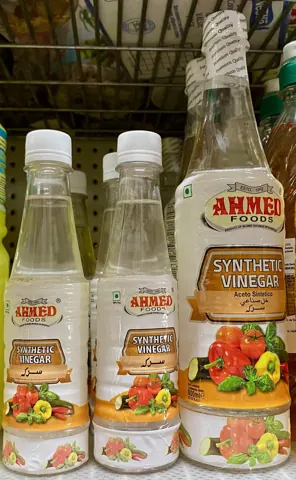
A small amount of vinegar can make a rich meal taste brighter. Keep the dipping sauce separate so pancakes stay crisp.
Seasoning ideas
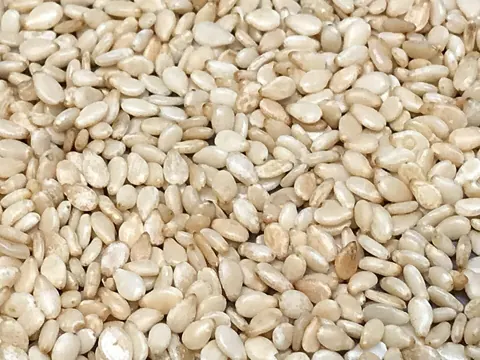
Use sesame seeds to finish texture and aroma. They do not replace sesame oil in equal quantities.
Seasoning ideas
The same amount of chopped and whole garlic will not spread through a dish in the same way. Follow the preparation stated in each recipe.
What to serve with
Balance a sweet-savory main dish with a vegetable side and a simple rice base.
What to serve with
Keep sides simple so the seasoned noodles remain the center of the meal.
What to serve with
Gimbap already brings rice and fillings together. Choose small sides rather than automatically adding another rice dish.
What to serve with
Pair a spicy sauce with a mild dish and let guests choose how much sauce to use.
What to serve with
Use a mild side to contrast the seasoned rice instead of doubling the same kimchi flavor.
What to serve with
A fermented soybean stew pairs easily with plain rice and a simple side.
What to serve with
Serve contrasting sides in separate bowls so a crisp pancake does not sit in sauce.
What to serve with
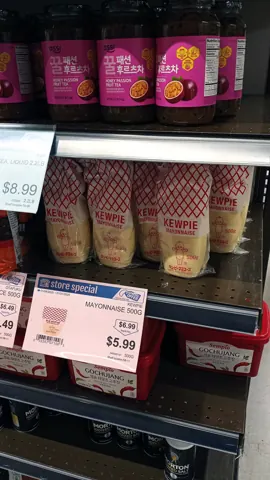
Bibimbap already has a rice base and several toppings. Start with a small side and sauce served to taste.
What to serve with
Let braised tofu carry the sauce, with rice and a vegetable side to complete the plate.
What to serve with
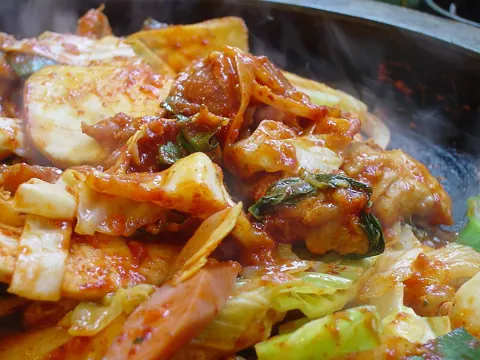
Choose a mild egg side and a crisp vegetable side alongside the spicy chicken.