Ingredient substitutes
Gochujang substitute guide
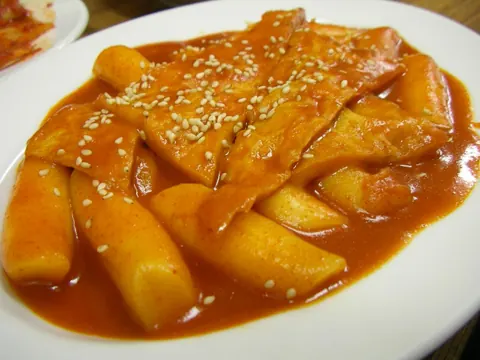
Gochujang gives a sauce body as well as heat. A thin hot sauce cannot replace all of its jobs.
How to use this guide →WHATTOCOOK · KITCHEN NOTES
Ingredient swaps, dishes without chili and your first grocery basket. Choose a guide for the meal you want to cook.
No guides found. Try another ingredient.
Gochujang gives a sauce body as well as heat. A thin hot sauce cannot replace all of its jobs.
How to use this guide →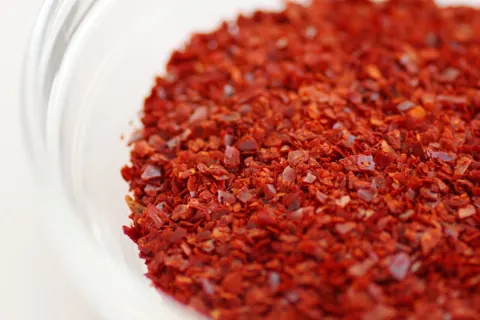
Gochugaru is a dry chili ingredient; gochujang is a paste. They are not interchangeable forms of the same seasoning.
How to use this guide →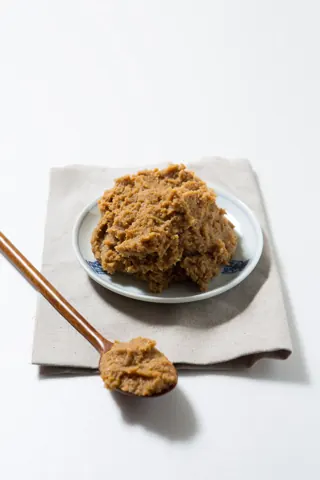
Doenjang seasons a stew with a fermented bean flavor.
How to use this guide →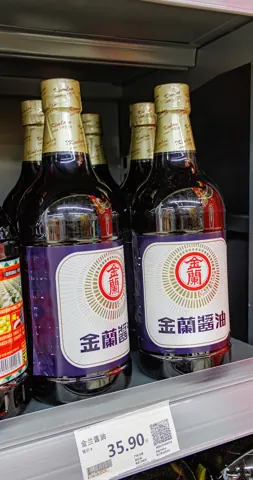
Soup soy sauce is used to season clear broths and vegetable sides.
How to use this guide →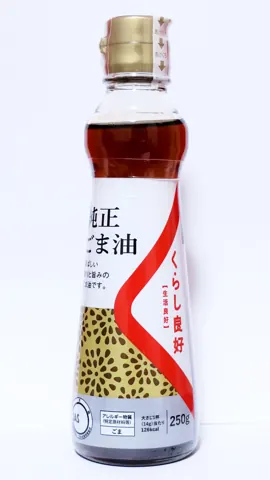
Toasted sesame oil is often a finishing aroma, not just a cooking fat.
How to use this guide →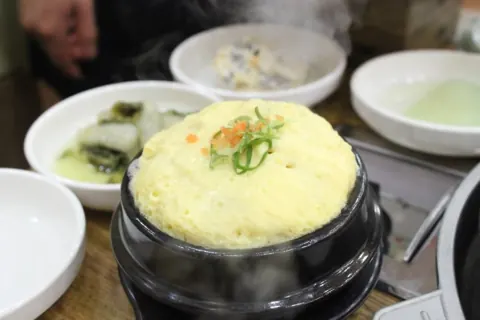
Fish sauce adds salt and a fermented fish character.
How to use this guide →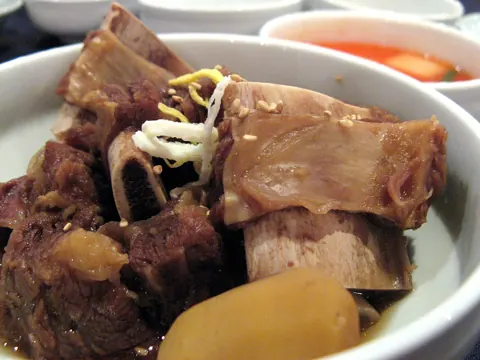
Mirim is a sweet cooking wine that also supplies liquid.
How to use this guide →Rice syrup affects a glaze as well as sweetness.
How to use this guide →
Rice vinegar supplies acidity; unseasoned vinegar differs from sweetened sushi seasoning.
How to use this guide →
Pear can add fruit sweetness and moisture to a meat marinade.
How to use this guide →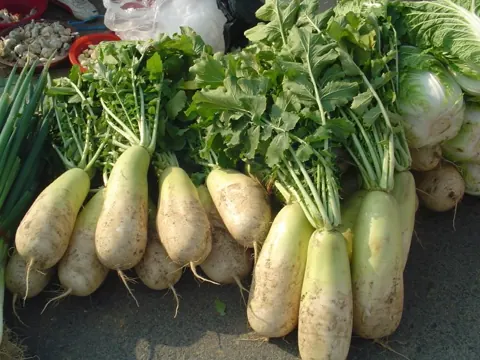
Korean radish behaves differently in a raw salad and a simmered broth.
How to use this guide →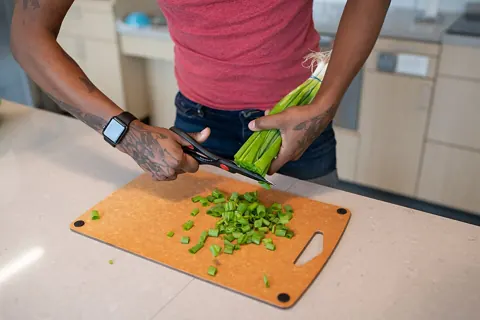
The white and green parts of a large green onion cook differently.
How to use this guide →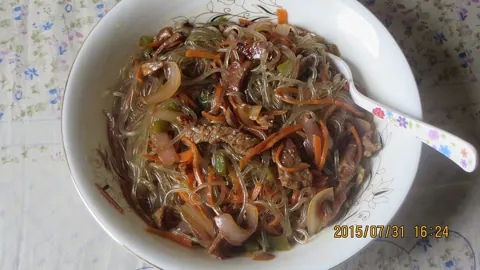
Dangmyeon gives japchae its springy noodle texture.
How to use this guide →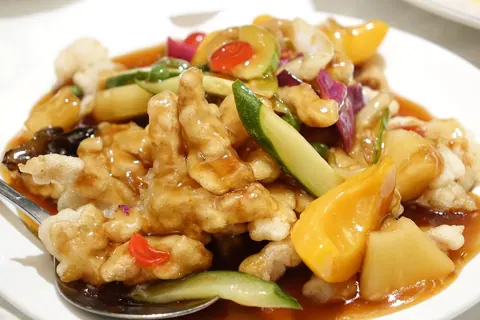
Potato starch can thicken sauces or coat fried food; it is not potato flour.
How to use this guide →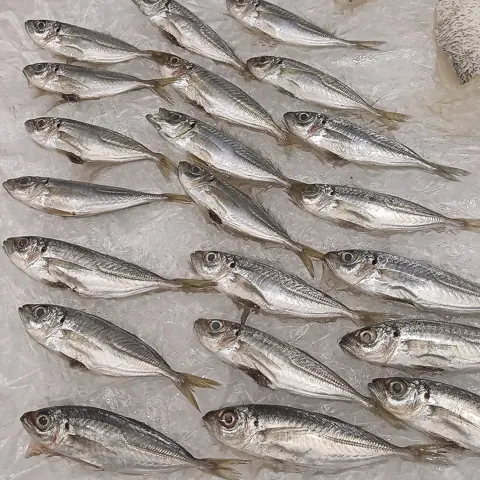
Anchovy and kelp stock provides a base for noodles and stews.
How to use this guide →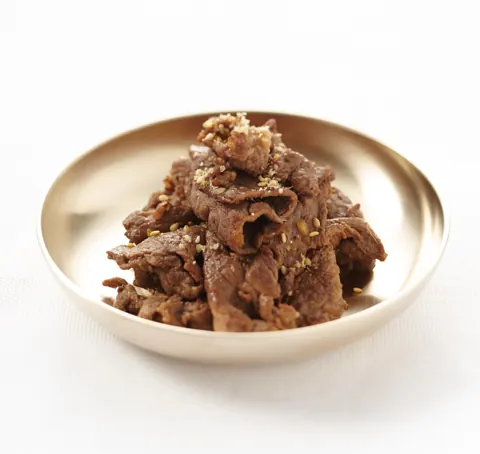
Start with bulgogi, japchae and soy-sauce rice cakes. Gungjung tteokbokki uses a different sauce from red gochujang tteokbokki.
How to use this guide →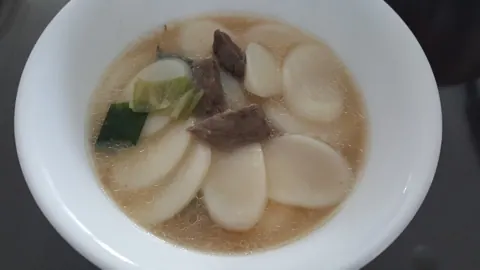
Explore beef seaweed soup, rice cake soup and chicken soup as an introduction to Korean broths.
How to use this guide →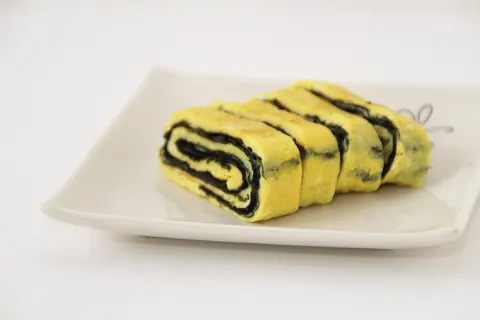
Pair rice with rolled omelet, spinach namul and braised potatoes, using three different ingredient groups.
How to use this guide →Japchae, banquet noodles and gimbap offer different noodle and rice preparations.
How to use this guide →Braised beef ribs, japchae and royal rice cakes form a soy-sauce-led sharing menu.
How to use this guide →Begin with rice, soy sauce, toasted sesame oil, garlic and eggs, checking what you already own. Salt and neutral cooking oil are additional basics.
How to use this guide →Start with fresh food at your usual supermarket, then look for Korean specialty items in Asian groceries or online.
How to use this guide →Build a basket for soy-sauce dishes first, distinguishing seasoned chili blends from Korean chili flakes.
How to use this guide →Fix common cooking problems, use your Korean seasonings and plan what to serve alongside your favorite dishes.
All cooking notes →