🌐 English

WHATTOCOOK / SEOUL FOOD GUIDE

20 Korean restaurants in Seoul: what to eat & recipes

Plan a Korean food trip, one dish at a time. Explore 20 Seoul restaurants for kalguksu, samgyetang, Korean BBQ, tofu, mandu and cold noodles, then try a related recipe at home.

20 restaurants15 neighborhoodsFrom the table to your kitchen

20 restaurants

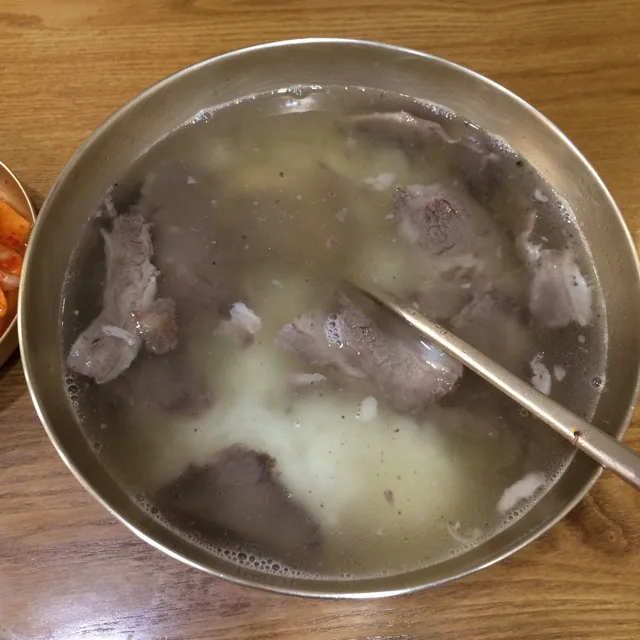
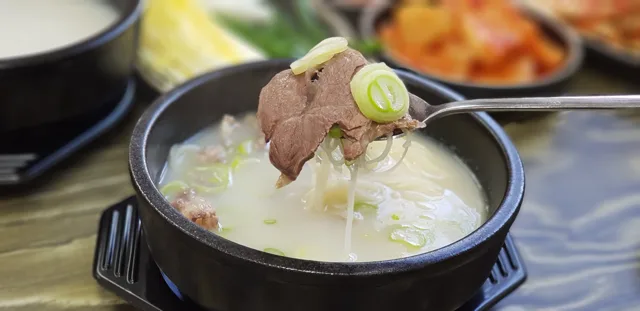
Gomtang — Korean beef soup — Dish reference photo; not photographed at this restaurant.Dish reference

Photo: chomjong ↗ · CC BY 2.0 ↗ · Resized; display crop.

Myeongdong · Gomtang & suyuk

Hadonggwan

This Myeongdong restaurant concentrates on gomtang, a clear beef soup, and boiled beef called suyuk. Visit Seoul traces its history to 1939. It is a focused introduction to Seoul-style beef broth rather than a broad menu of Korean dishes.

Plan your visit →
Kalguksu — Korean knife-cut noodles — Dish reference photo; not photographed at this restaurant.Dish reference

Photo: Mobius6 ↗ · CC BY-SA 4.0 ↗ · Resized; display crop.

Bukchon & Samcheong · Kalguksu & mandu

Hwangsaengga Kalguksu

In the Bukchon and Samcheong area, this specialist serves noodles in beef broth and substantial handmade dumplings. It offers a different broth style from Myeongdong Kyoja. Consider it when planning a food stop around the neighborhood’s museums and traditional streets.

Plan your visit →
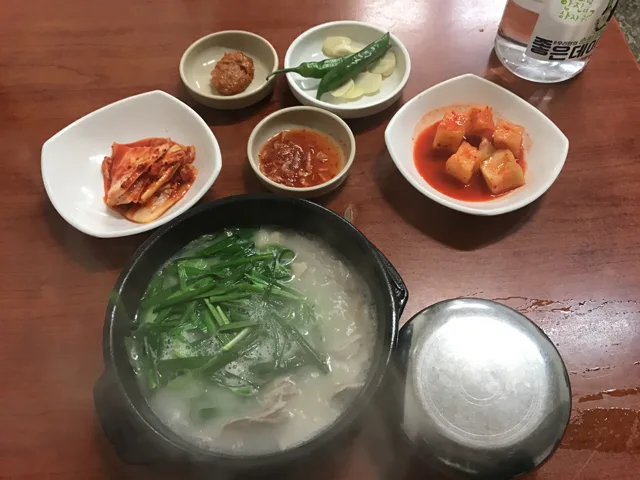
Korean pork and rice soup — Dish reference photo; not photographed at this restaurant.Dish reference

Photo: chomjong ↗ · CC BY 2.0 ↗ · Resized; display crop.

Hapjeong · Dwaeji gomtang

Okdongsik

Okdongsik’s Seoul location focuses on dwaeji gomtang: pork served with rice and a clear broth. This is a useful contrast to the richer, cloudy soups travelers may associate with Korean gukbap. Use the Seoul branch address when planning a visit near Hapjeong.

Plan your visit →
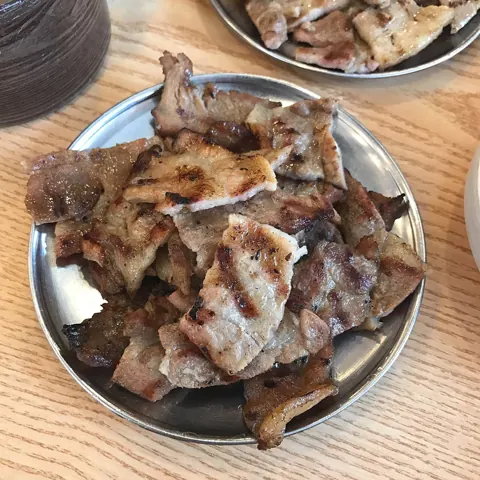
Korean pork barbecue — Dish reference photo; not photographed at this restaurant.Dish reference

Photo: chomjong ↗ · CC BY 2.0 ↗ · Resized; display crop.

Sindang & Yaksu · Pork barbecue

Geumdwaeji Sikdang

Geumdwaeji is a pork barbecue restaurant in Sindang, recognizable by its pale tile frontage and gold lettering. The MICHELIN Guide describes pork cooked on a cast-iron grill over briquettes. Check the current waiting and ordering arrangements before choosing it for a fixed-time meal.

Plan your visit →
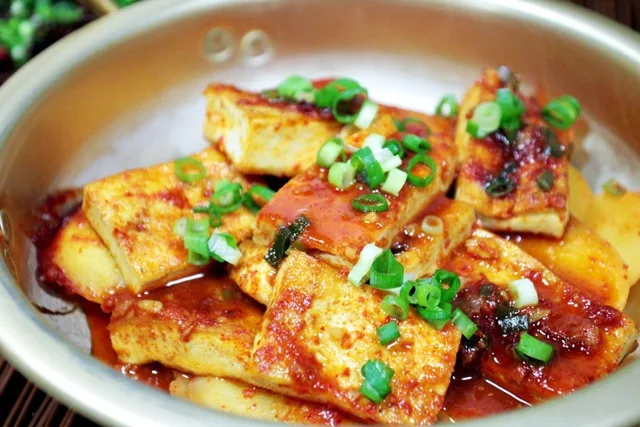
Dubu jorim — Korean braised tofu — Dish reference photo; not photographed at this restaurant.Dish reference

Photo: 세미짱 ↗ · CC BY 4.0 ↗ · Resized; display crop.

Ahyeon · Dubu jorim & tofu dishes

Hwanggeum Kongbat

Tofu made with Korean-grown soybeans is the focus at this Ahyeon restaurant. The guide lists braised tofu, tofu hot pot and tofu pancakes alongside meat and seafood dishes. A tofu specialty does not mean the whole menu is vegetarian; ask about each broth and seasoning.

Plan your visit →
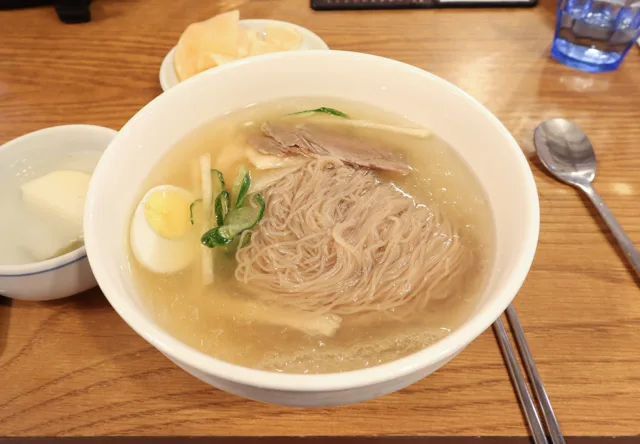
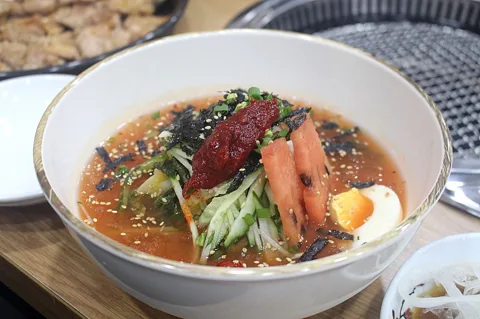
Pyeongyang-style cold noodles — Dish reference photo; not photographed at this restaurant.Dish reference

Photo: Mobius6 ↗ · CC BY-SA 4.0 ↗ · Resized; display crop.

Euljiro · Pyeongyang naengmyeon & bulgogi

Woo Lae Oak

Woo Lae Oak pairs Pyeongyang-style cold noodles with a menu that also includes bulgogi. The MICHELIN Guide describes a beef-based noodle broth. For visitors exploring Euljiro, it provides a chance to compare a cold noodle meal with sweet-savory Korean beef.

Plan your visit →
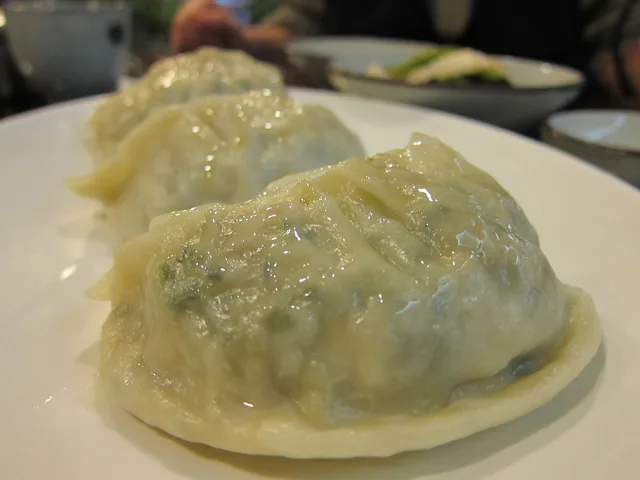
Mandu — Korean dumplings — Dish reference photo; not photographed at this restaurant.Dish reference

Photo: Eugene Kim ↗ · CC BY 2.0 ↗ · Resized; display crop.

Insadong · Gaeseong-style mandu

Gaeseong Mandu Koong

A converted hanok in Insadong houses this Gaeseong-style dumpling restaurant. The guide describes pork-and-vegetable fillings and beef broth. It is a food-focused stop for an Insadong walk, with a regional dumpling tradition to compare with other mandu restaurants in this collection.

Plan your visit →
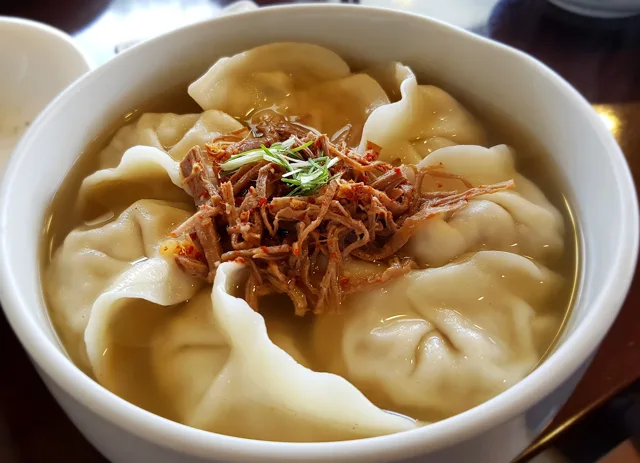
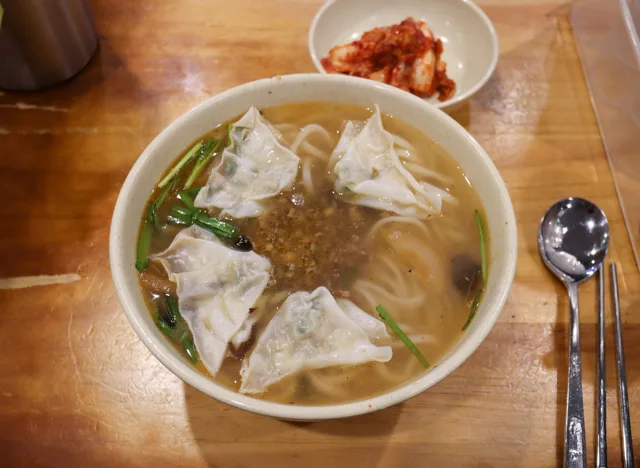
Mandutguk at Jaha Son Mandu — Photographed at this restaurantAt the restaurant

Photo: Trainholic ↗ · CC BY-SA 4.0 ↗ · Resized; display crop.

Buam-dong · Mandutguk

Jaha Son Mandu

Jaha Son Mandu serves dumpling soup in Buam-dong. The guide describes a filling of pork, tofu and vegetables in beef broth, with views toward Inwangsan from the dining room. This location suits a separate Buam-dong outing rather than assuming it is on the same street as Insadong.

Plan your visit →
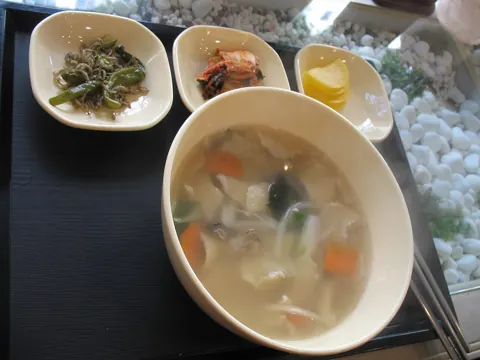
Sujebi — hand-torn dough soup — Dish reference photo; not photographed at this restaurant.Dish reference

Photo: Steve Longus ↗ · CC BY 2.0 ↗ · Resized; display crop.

Bukchon & Samcheong · Sujebi & potato pancakes

Samcheongdong Sujebi

The signature here is sujebi: irregular pieces of hand-torn dough in anchovy broth. The guide also notes potato pancakes. This Samcheong-dong address is useful for travelers who want to explore Korean dough soups beyond long noodles; the anchovy broth is relevant for vegetarian diners.

Plan your visit →
Seolleongtang — ox bone soup — Dish reference photo; not photographed at this restaurant.Dish reference

Photo: 이동원 ↗ · CC0 ↗ · Resized; display crop.

Jongno · Seolleongtang

Imun Seolnongtang

Imun specializes in seolleongtang, a milky beef-bone soup, in Jongno. The guide also lists sliced boiled beef. Compare this cloudy broth with Hadonggwan’s clear gomtang when exploring Seoul’s soup traditions; the linked chicken recipes are separate home-cooking ideas, not the restaurant’s beef soup.

Plan your visit →
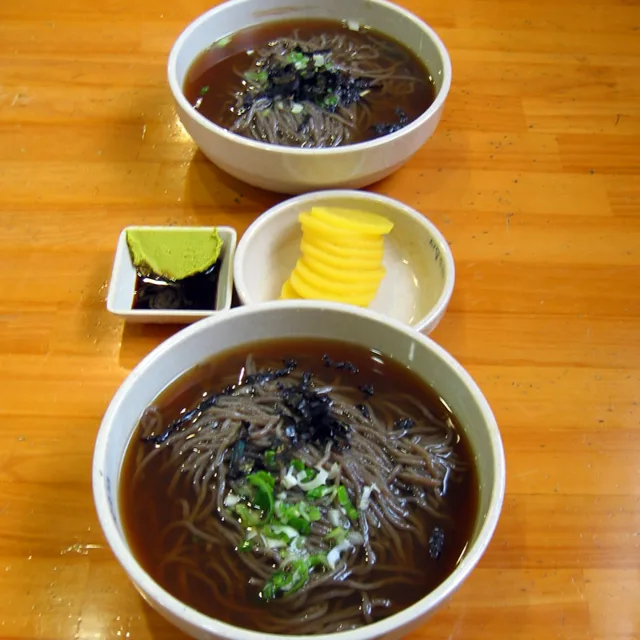
Memil guksu — Korean buckwheat noodles — Dish reference photo; not photographed at this restaurant.Dish reference

Photo: by jetohs ↗ · CC BY-SA 2.0 ↗ · Resized; display crop.

Gwanghwamun · Cold buckwheat noodles

Mijin

Mijin is a Gwanghwamun stop for Korean-style cold buckwheat noodles served with dipping sauce. The guide describes grated radish, seaweed and green onion for adjusting the sauce at the table. Buckwheat noodles and chilled sauce make this a different format from cold noodles served submerged in broth.

Plan your visit →
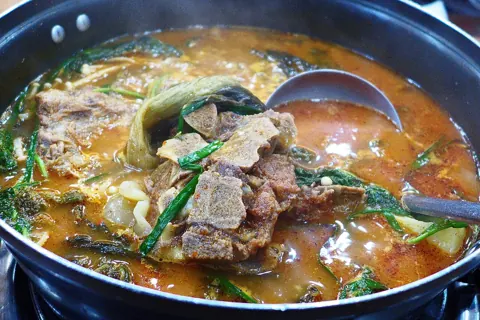
Gamjatang — pork bone soup — Dish reference photo; not photographed at this restaurant.Dish reference

Photo: travel oriented ↗ · CC BY-SA 2.0 ↗ · Resized; display crop.

Gyeongbokgung · Gamjatang & jokbal

Halmaejip

Halmaejip is an alley restaurant near the Gyeongbokgung area associated with gamjatang and jokbal. The guide describes pork soup with bean sprouts and chives, alongside braised pig’s feet. These dishes offer a different pork meal from tabletop barbecue; confirm portion sizes before ordering for a small party.

Plan your visit →
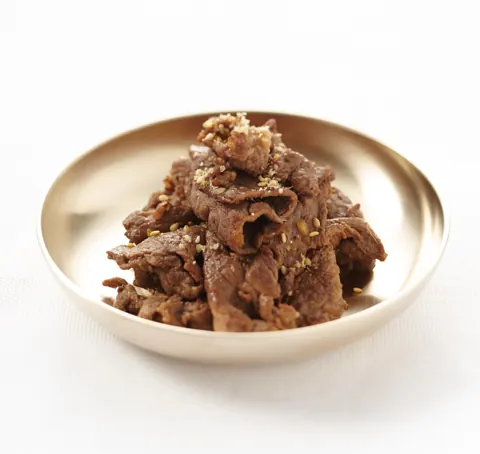
Bulgogi — Korean seasoned beef — Dish reference photo; not photographed at this restaurant.Dish reference

Photo: 국립국어원 ↗ · CC BY-SA 2.0 kr ↗ · Resized; display crop.

Mapo · Bassak bulgogi

Yukjeon Hoekwan

This Mapo restaurant is associated with bassak bulgogi, thin beef grilled over a flame to a drier finish. The guide traces the restaurant to 1962. Its specialty is useful for understanding that bulgogi can take different forms, beyond the saucy pan-cooked version often prepared at home.

Plan your visit →
Pyeongyang-style cold noodles — Dish reference photo; not photographed at this restaurant.Dish reference

Photo: Mobius6 ↗ · CC BY-SA 4.0 ↗ · Resized; display crop.

Euljiro · Pyeongyang naengmyeon & beef hot pot

Nampo Myeonok

Nampo Myeonok is a cold-noodle and beef-hot-pot restaurant in an Euljiro alley. The guide identifies Pyeongyang-style noodles and notes both chair and floor seating. Use the full address to locate the entrance among office-district streets rather than relying only on the English restaurant name.

Plan your visit →
Kimchi mari guksu — cold kimchi noodles — Dish reference photo; not photographed at this restaurant.Dish reference

Photo: 대경라이프 ↗ · CC BY-SA 4.0 ↗ · Resized; display crop.

Seocho · Hwanghae-style mandu & kimchi mari guksu

Bongsanok

Bongsanok introduces food associated with Bongsan in Hwanghae-do. Visit Seoul describes handmade dumplings filled with cabbage, sprouts, tofu, beef and pork, as well as chilled kimchi noodles. The Seocho address makes it a distinct southern-Seoul option in a collection otherwise concentrated north of the river.

Plan your visit →
Pyeongyang-style cold noodles — Dish reference photo; not photographed at this restaurant.Dish reference

Photo: Mobius6 ↗ · CC BY-SA 4.0 ↗ · Resized; display crop.

Gangnam · Pyeongyang naengmyeon & bulgogi

Jinmi Pyeongyang Naengmyeon

This Gangnam restaurant centers on Pyeongyang-style cold noodles. The guide also lists boiled pork and beef, bulgogi, dumplings and beef hot pot. It is a useful southern-Seoul counterpart to the Euljiro noodle addresses, especially if your itinerary already includes the Hakdong-ro area.

Plan your visit →
Pyeongyang-style cold noodles — Dish reference photo; not photographed at this restaurant.Dish reference

Photo: Mobius6 ↗ · CC BY-SA 4.0 ↗ · Resized; display crop.

Yeouido · Pyeongyang naengmyeon & mandu

Jungin Myeonok

Jungin Myeonok offers Pyeongyang-style noodles in Yeouido, with boiled beef and dumplings also noted by the guide. Its position in an office district makes checking lunch-time arrangements worthwhile. Consider it as a Yeouido food stop instead of crossing the city for an Euljiro noodle restaurant.

Plan your visit →
Dwaeji gukbap — pork and rice soup — Dish reference photo; not photographed at this restaurant.Dish reference

Photo: chomjong ↗ · CC BY 2.0 ↗ · Resized; display crop.

Gwanghwamun · Dwaeji gukbap

Gwanghwamun Gukbap

Gwanghwamun Gukbap serves a clear pork soup with rice near central Seoul’s office streets. The guide describes sliced pork, chives and radish kimchi. Compare this rice-and-soup format with Okdongsik’s pork gomtang when exploring Korean comfort food; confirm current lunch queues before fitting it between timed visits.

Plan your visit →

Before you eat in Seoul

Do these restaurants take reservations?

Policies differ by restaurant and can change. Use the source link to find current contact details and confirm reservations, waiting lists and minimum orders.

Can I use these recipes to recreate the restaurant meal?

The recipes are independent home-cooking guides. They introduce related Korean dishes and do not reproduce a restaurant’s proprietary recipe.

Where should I eat Korean food in Seoul?

Start with the neighborhood on your itinerary. This guide covers Myeongdong, Gwanghwamun, Bukchon, Insadong, Euljiro, Mapo, Hapjeong, Yeouido, Seocho and Gangnam.