lemon
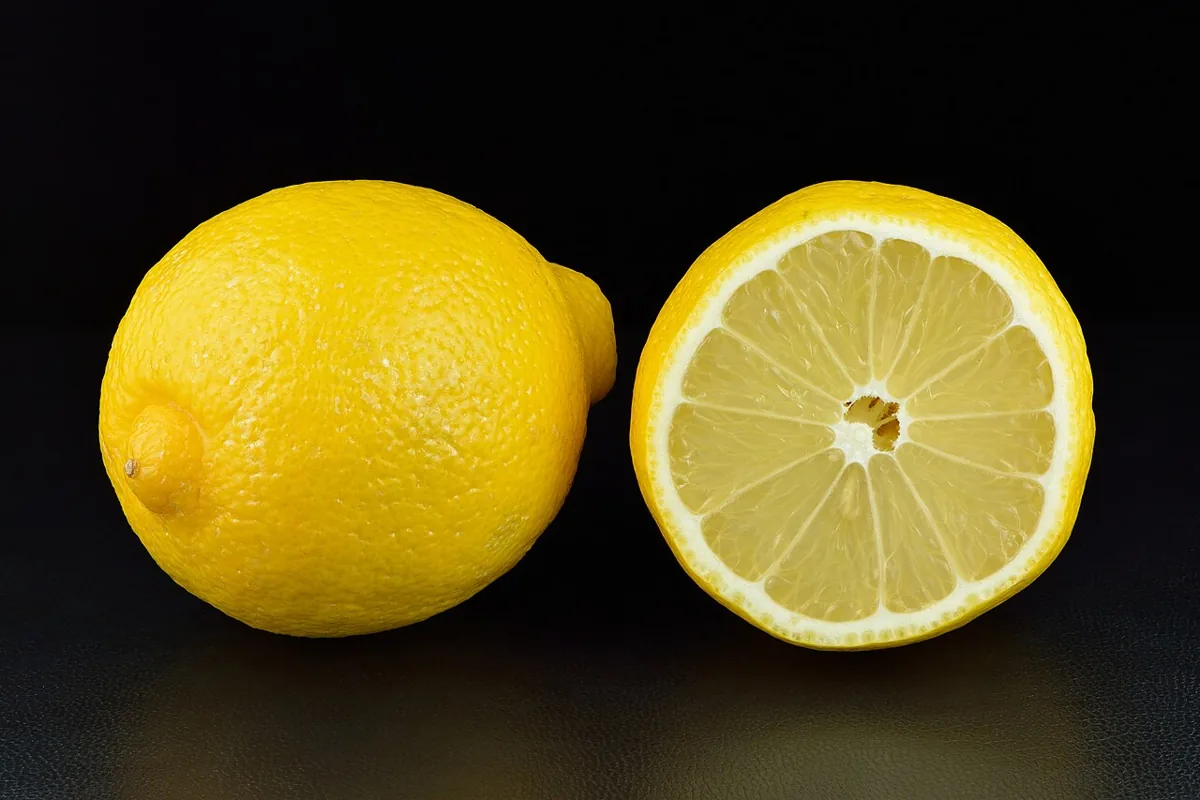
lemon is a Fruit that adds sourness to fish and dressing. Strain the seeds and squeeze the juice.
NUTRITION · RDA 10.4
Nutrition and weight calculator for this ingredient
lemon (raw) · Per 100 g edible portion
The record includes its variety, cut or processing state. It does not describe every food or retail product with that common name.
How to understand effects and nutrition.
The benefits of lemon should be understood within the eating habit of consuming a variety of ingredients rather than for improving specific diseases. The actual amount of Dietary fiber or micronutrients varies depending on the variety and cooking method, so this text does not specify individual content or therapeutic effects.
How to select and Preparation
Choose ones without bruises or cracks, and prepare by separating the portion to eat immediately and the portion to cook later. Strain the seeds to squeeze the juice.
Storage and cooking use
Divide the remaining juice into portions frozen. It is more convenient to trim lemon according to the amount needed for cooking rather than preparing a lot at once.
Cooking tips
- Strain the seeds and squeeze the juice.
- Portion the remaining juice frozen.
Official materials about the general roles of food groups and nutrients, label checking, and hygiene principles. It does not imply the precise ingredient content or disease treatment effects of individual ingredients.
Shop ingredients on Coupang
Coupang is a Korean marketplace. Product descriptions are in Korean; prices are in KRW. Check delivery availability before ordering. These affiliate links may earn us a commission.